{{filter.label}}
Holidays in Aragón
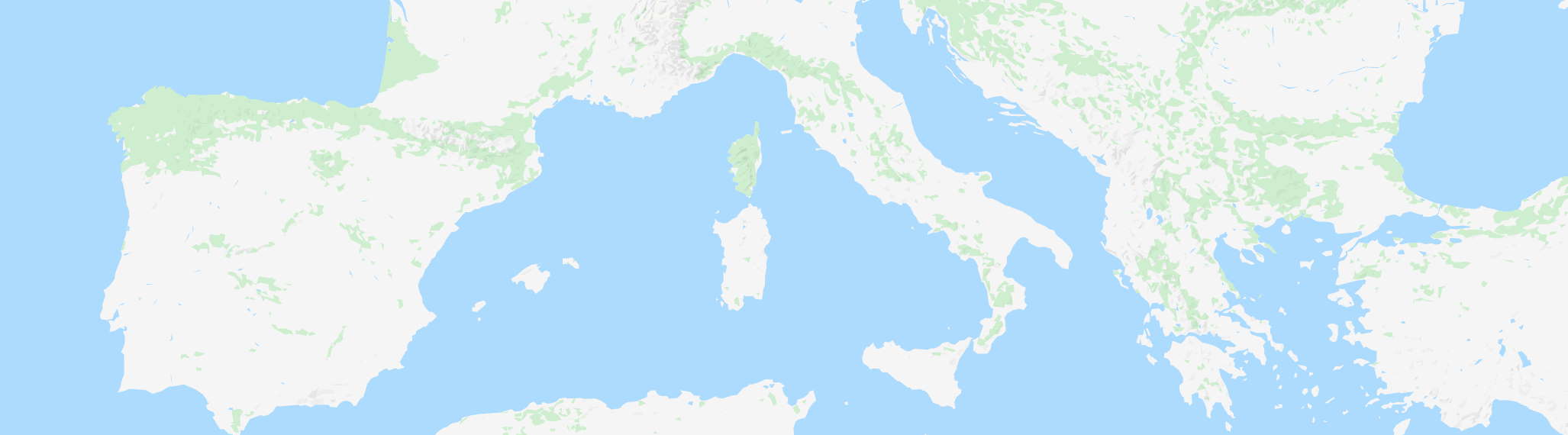
Aragon (Aragón) is one of Spain’s most historically significant and geographically diverse autonomous communities. Located in the northeast of the Iberian Peninsula, it stretches from the high, snow-capped peaks of the Pyrenees down to the arid steppes of the Ebro Valley and up again into the rugged Iberian System.
1. History: From a Small County to a Mediterranean Empire
Aragon’s history is a saga of resilience and expansion. It began as a small Carolingian county in the 9th century around the town of Jaca.
The Birth of a Kingdom: In 1035, Ramiro I became the first de facto King of Aragon. Over the next two centuries, the kingdom expanded southward, reclaiming land from the Moors. The conquest of Zaragoza in 1118 by Alfonso the Battler was a turning point, making the city the permanent capital.
The Crown of Aragon: Through a dynastic marriage in 1137 between Petronilla of Aragon and Ramon Berenguer IV (Count of Barcelona), the "Crown of Aragon" was formed. This was not a single country but a powerful confederation that eventually ruled over Catalonia, Valencia, the Balearic Islands, Sicily, Naples, and even parts of Greece.
The Unification of Spain: In 1469, the marriage of Ferdinand II of Aragon and Isabella I of Castile (the Catholic Monarchs) laid the foundations for modern Spain. While Aragon kept its own laws (Fueros) and parliament for centuries, it was eventually integrated into a centralized Spanish state in the early 18th century.
2. Description and Geography
Aragon is divided into three provinces: Huesca (North), Zaragoza (Center), and Teruel (South).
Zaragoza: The heart of the region and Spain’s fifth-largest city. It is a bustling metropolis defined by the Ebro River and the massive Basílica del Pilar.
Huesca: The gateway to the Pyrenees. It is a land of high altitudes, medieval stone villages like Aínsa, and world-class ski resorts.
Teruel: Often called the "Spanish Tuscany," this province is famous for its Mudejar architecture (a blend of Islamic and Christian styles) and the romantic legend of the "Lovers of Teruel." It is one of the most sparsely populated areas in Europe, offering a peaceful, "slow-travel" experience.
3. Typical Food: Simple, Hearty, and High Quality
Aragonese cuisine is "honest" food—it relies on the exceptional quality of local ingredients rather than complex techniques.
Ternasco de Aragón: This is the region’s star dish. It is a young, milk-fed lamb, usually roasted with potatoes and garlic. It was the first meat in Spain to receive a Protected Geographical Indication.
Migas Aragonesas: Originally a shepherd's meal, these are fried breadcrumbs mixed with garlic, longaniza (sausage), chorizo, and—most importantly—topped with fresh grapes to balance the saltiness.
Borrajas (Borage): A green leafy vegetable that is a delicacy in Aragon but rarely found elsewhere. It is typically boiled with potatoes and dressed with olive oil.
Jamón de Teruel: The first ham in Spain to be granted a Denomination of Origin. It is cured in the cold, dry air of the Teruel mountains, giving it a delicate, sweet flavor.
Sweets: Don't leave without trying Frutas de Aragón (candied fruits dipped in chocolate) or the Trenza de Almudévar, a delicious braided pastry with nuts and raisins.
4. Activities and Nature
Aragon is an outdoor enthusiast’s paradise, offering some of the most dramatic landscapes in Europe.
The Great Outdoors
Ordesa y Monte Perdido National Park: A UNESCO World Heritage site featuring deep canyons, soaring peaks (like Monte Perdido at 3,355m), and the famous Cola de Caballo (Horsetail) waterfall.
Skiing: Formigal, Panticosa, and Candanchú are top-tier resorts for winter sports.
Mallos de Riglos: These massive, vertical conglomerate rock formations are a mecca for climbers and hikers.
The Monegros Desert: A unique semi-desert landscape in the center of the region, offering a stark, beautiful contrast to the green north.
Architecture and Culture
Aljafería Palace (Zaragoza): An 11th-century Islamic palace that is one of the best examples of Moorish architecture outside Andalusia.
Loarre Castle: Considered the best-preserved Romanesque fortress in Europe. It looks like something straight out of Game of Thrones.
Monasterio de Piedra: A natural park surrounding an old monastery, filled with dozens of waterfalls and lush grottos.
5. Shops and Local Crafts
Aragon is famous for its traditional craftsmanship, which you can find in small local boutiques and markets.
Ceramics: Teruel is the center of Aragonese pottery, known for its distinct green and purple designs.
The "Cachirulo": The traditional red-and-black checkered scarf worn during festivals.
The Ribbon of the Pillar: Small ribbons measured to the exact height of the Virgin of the Pillar (36.5 cm), sold as protective charms for travelers.
Central Market (Zaragoza): A beautiful 1903 iron-and-glass building where you can buy local saffron, olive oil (Bajo Aragón), and Somontano wines.
6. Festivals: Tradition and Color
Fiestas del Pilar (October): Zaragoza’s main festival. The highlight is the Offering of Flowers on October 12th, where hundreds of thousands of people in traditional costumes create a massive mountain of flowers in front of the Basilica.
The Lovers of Teruel (February): The city of Teruel transforms into a medieval stage to reenact the tragic 13th-century love story of Isabel and Diego.
Holy Week (Semana Santa): In the "Route of the Drum and Bass Drum" (Lower Aragon), thousands of people play drums simultaneously for hours, creating a thunderous, hypnotic sound that can be heard for miles.
Aragon is a region that rewards those who venture off the beaten path. Whether you are looking for the silence of a Pyrenean valley or the vibrant tapas culture of Zaragoza’s "El Tubo" district, Aragon offers a deep, authentic slice of Spanish identity.
1. History: From a Small County to a Mediterranean Empire
Aragon’s history is a saga of resilience and expansion. It began as a small Carolingian county in the 9th century around the town of Jaca.
The Birth of a Kingdom: In 1035, Ramiro I became the first de facto King of Aragon. Over the next two centuries, the kingdom expanded southward, reclaiming land from the Moors. The conquest of Zaragoza in 1118 by Alfonso the Battler was a turning point, making the city the permanent capital.
The Crown of Aragon: Through a dynastic marriage in 1137 between Petronilla of Aragon and Ramon Berenguer IV (Count of Barcelona), the "Crown of Aragon" was formed. This was not a single country but a powerful confederation that eventually ruled over Catalonia, Valencia, the Balearic Islands, Sicily, Naples, and even parts of Greece.
The Unification of Spain: In 1469, the marriage of Ferdinand II of Aragon and Isabella I of Castile (the Catholic Monarchs) laid the foundations for modern Spain. While Aragon kept its own laws (Fueros) and parliament for centuries, it was eventually integrated into a centralized Spanish state in the early 18th century.
2. Description and Geography
Aragon is divided into three provinces: Huesca (North), Zaragoza (Center), and Teruel (South).
Zaragoza: The heart of the region and Spain’s fifth-largest city. It is a bustling metropolis defined by the Ebro River and the massive Basílica del Pilar.
Huesca: The gateway to the Pyrenees. It is a land of high altitudes, medieval stone villages like Aínsa, and world-class ski resorts.
Teruel: Often called the "Spanish Tuscany," this province is famous for its Mudejar architecture (a blend of Islamic and Christian styles) and the romantic legend of the "Lovers of Teruel." It is one of the most sparsely populated areas in Europe, offering a peaceful, "slow-travel" experience.
3. Typical Food: Simple, Hearty, and High Quality
Aragonese cuisine is "honest" food—it relies on the exceptional quality of local ingredients rather than complex techniques.
Ternasco de Aragón: This is the region’s star dish. It is a young, milk-fed lamb, usually roasted with potatoes and garlic. It was the first meat in Spain to receive a Protected Geographical Indication.
Migas Aragonesas: Originally a shepherd's meal, these are fried breadcrumbs mixed with garlic, longaniza (sausage), chorizo, and—most importantly—topped with fresh grapes to balance the saltiness.
Borrajas (Borage): A green leafy vegetable that is a delicacy in Aragon but rarely found elsewhere. It is typically boiled with potatoes and dressed with olive oil.
Jamón de Teruel: The first ham in Spain to be granted a Denomination of Origin. It is cured in the cold, dry air of the Teruel mountains, giving it a delicate, sweet flavor.
Sweets: Don't leave without trying Frutas de Aragón (candied fruits dipped in chocolate) or the Trenza de Almudévar, a delicious braided pastry with nuts and raisins.
4. Activities and Nature
Aragon is an outdoor enthusiast’s paradise, offering some of the most dramatic landscapes in Europe.
The Great Outdoors
Ordesa y Monte Perdido National Park: A UNESCO World Heritage site featuring deep canyons, soaring peaks (like Monte Perdido at 3,355m), and the famous Cola de Caballo (Horsetail) waterfall.
Skiing: Formigal, Panticosa, and Candanchú are top-tier resorts for winter sports.
Mallos de Riglos: These massive, vertical conglomerate rock formations are a mecca for climbers and hikers.
The Monegros Desert: A unique semi-desert landscape in the center of the region, offering a stark, beautiful contrast to the green north.
Architecture and Culture
Aljafería Palace (Zaragoza): An 11th-century Islamic palace that is one of the best examples of Moorish architecture outside Andalusia.
Loarre Castle: Considered the best-preserved Romanesque fortress in Europe. It looks like something straight out of Game of Thrones.
Monasterio de Piedra: A natural park surrounding an old monastery, filled with dozens of waterfalls and lush grottos.
5. Shops and Local Crafts
Aragon is famous for its traditional craftsmanship, which you can find in small local boutiques and markets.
Ceramics: Teruel is the center of Aragonese pottery, known for its distinct green and purple designs.
The "Cachirulo": The traditional red-and-black checkered scarf worn during festivals.
The Ribbon of the Pillar: Small ribbons measured to the exact height of the Virgin of the Pillar (36.5 cm), sold as protective charms for travelers.
Central Market (Zaragoza): A beautiful 1903 iron-and-glass building where you can buy local saffron, olive oil (Bajo Aragón), and Somontano wines.
6. Festivals: Tradition and Color
Fiestas del Pilar (October): Zaragoza’s main festival. The highlight is the Offering of Flowers on October 12th, where hundreds of thousands of people in traditional costumes create a massive mountain of flowers in front of the Basilica.
The Lovers of Teruel (February): The city of Teruel transforms into a medieval stage to reenact the tragic 13th-century love story of Isabel and Diego.
Holy Week (Semana Santa): In the "Route of the Drum and Bass Drum" (Lower Aragon), thousands of people play drums simultaneously for hours, creating a thunderous, hypnotic sound that can be heard for miles.
Aragon is a region that rewards those who venture off the beaten path. Whether you are looking for the silence of a Pyrenean valley or the vibrant tapas culture of Zaragoza’s "El Tubo" district, Aragon offers a deep, authentic slice of Spanish identity.
Click to show the map